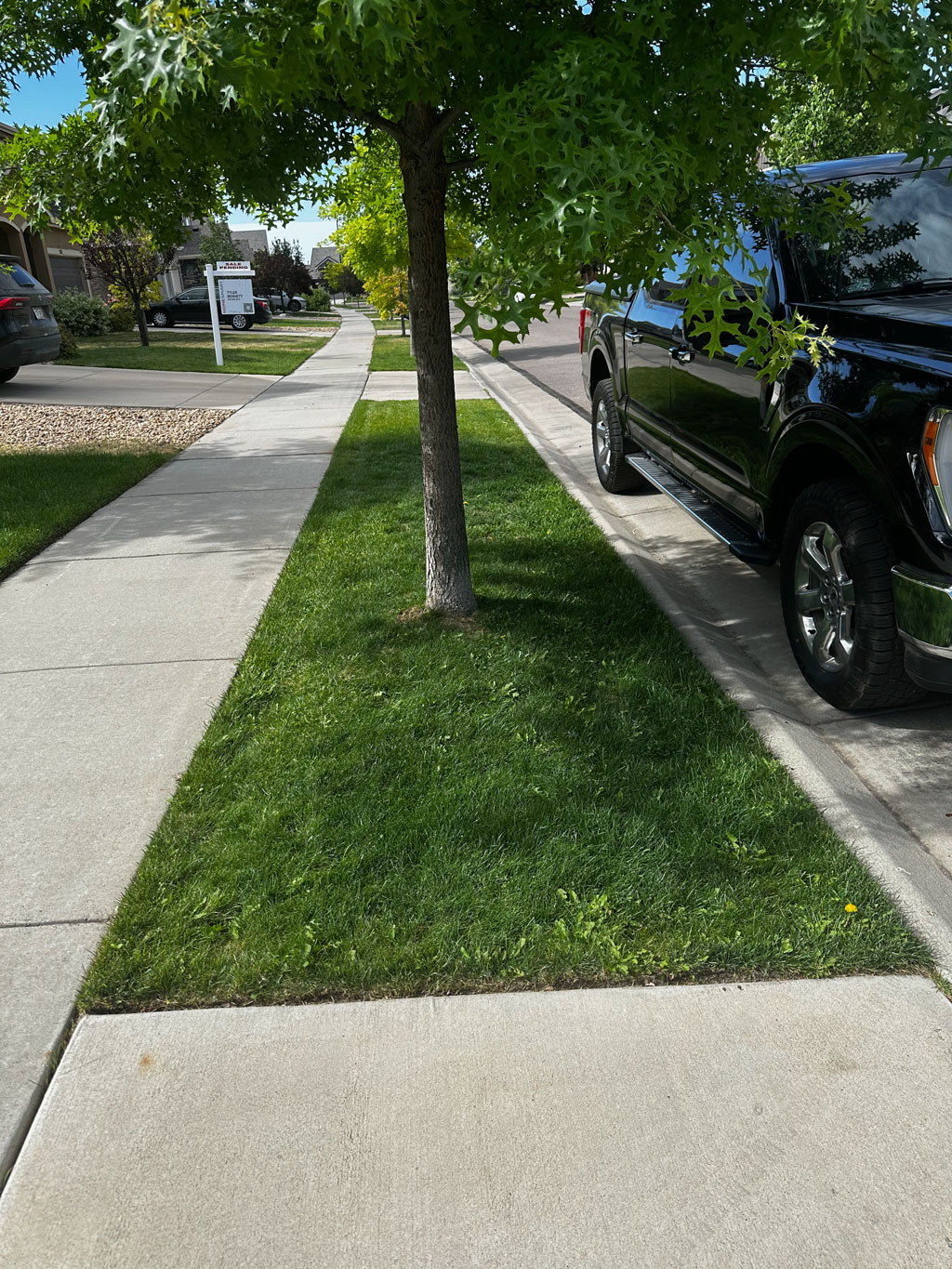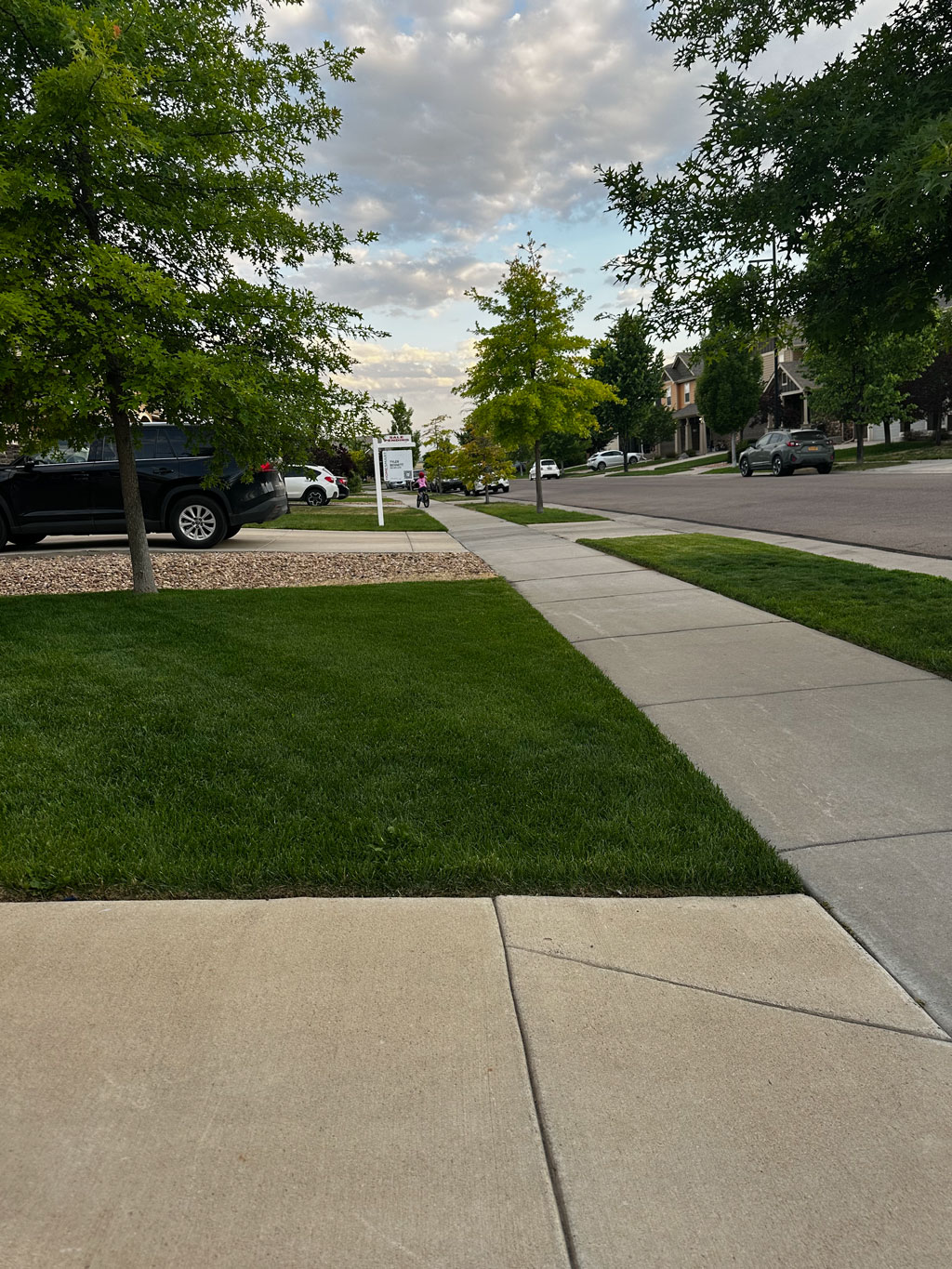
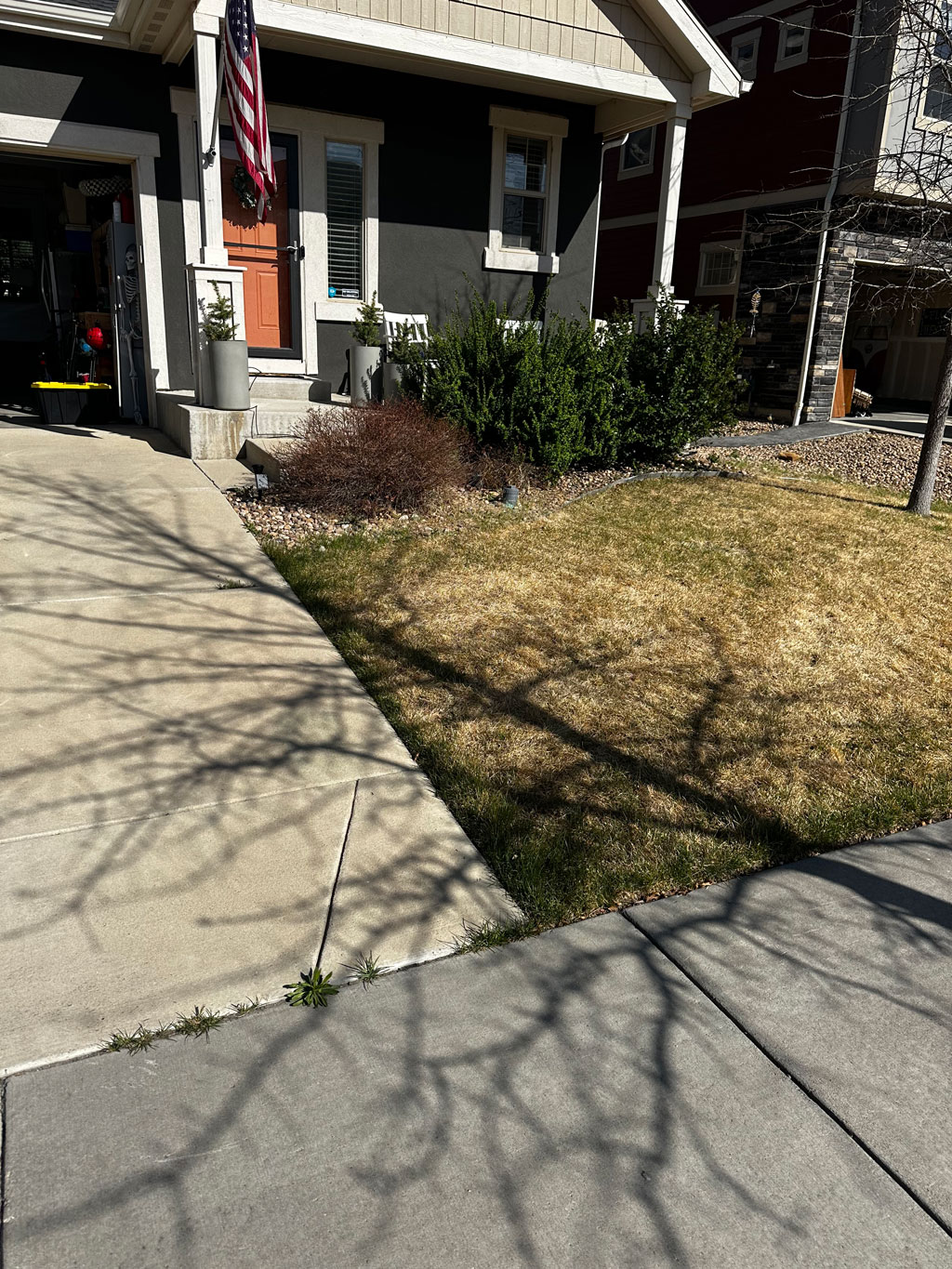
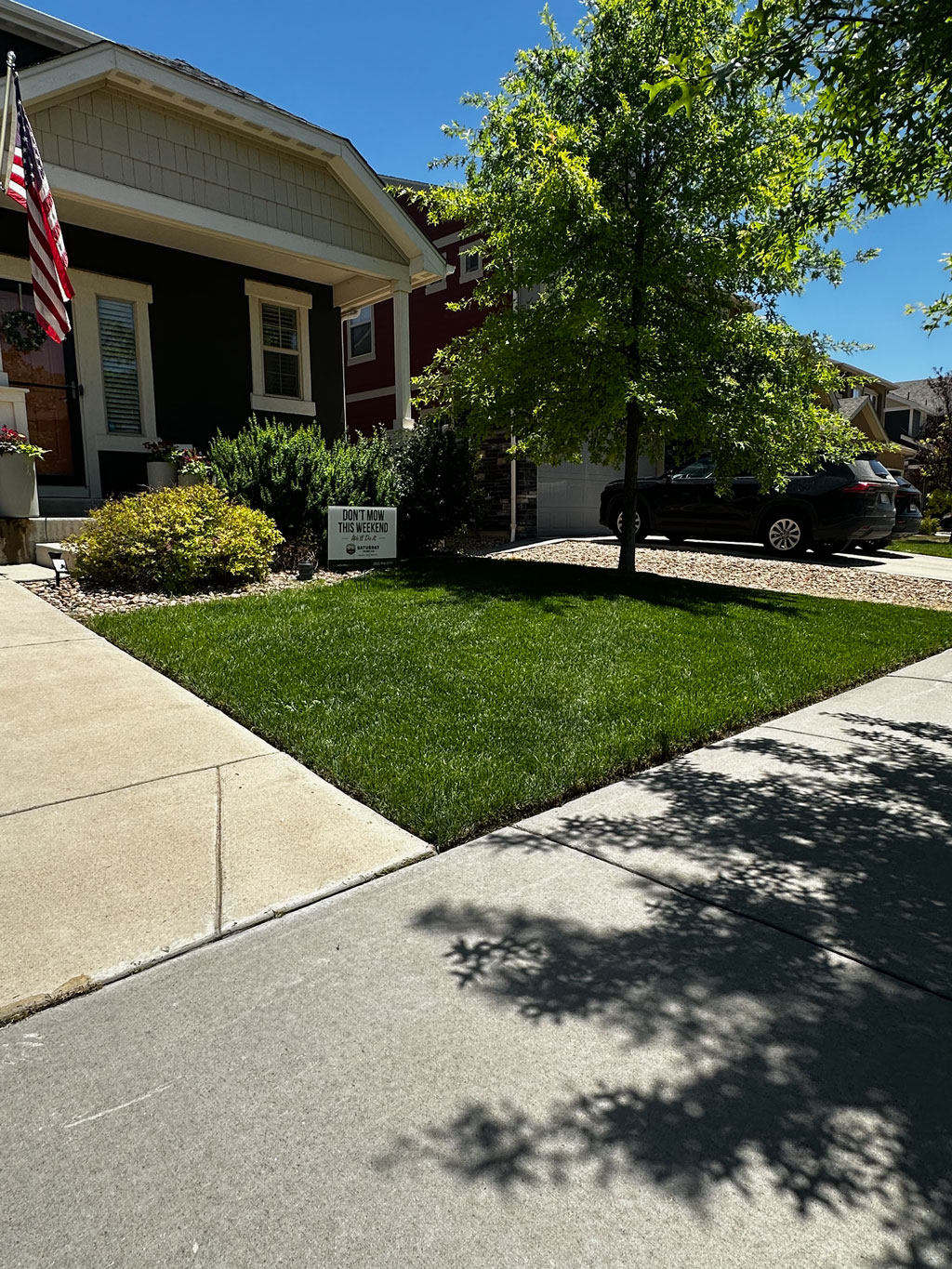
This one is personal. My own yard in Erie came out of this past winter looking rough — and the frustrating part is there wasn't much I could do about it. A warm, dry winter pushed the grass out of dormancy earlier than normal. In a typical year we don't turn sprinklers on until around Mother's Day. But this spring the lawn needed water weeks earlier than that.
The problem: Erie was already managing a drought. The town restricted outdoor irrigation to protect the water system, which meant I couldn't turn the sprinklers on even though the lawn was clearly starting to stress. By the time the April 3rd start date arrived, the damage was already done in spots. Then Erie's 2-day-a-week watering restriction made recovery slow going.
What actually went wrong
Three things stacked up:
- Warm, dry winter. Mild temps through February and March broke dormancy early. The grass was actively growing and pulling moisture from the soil before any supplemental irrigation was possible.
- Drought-driven irrigation ban. Erie pushed the outdoor watering start date to April 3rd this year to protect municipal water supply. Normally we'd wait until Mother's Day — but this wasn't a normal spring. The lawn needed water before the town would allow it.
- 2-day-a-week restriction. Even after April 3rd, Erie's odd/even schedule limits outdoor watering to two days per week. You can't just flood a stressed lawn back to health. Recovery had to happen gradually over several weeks.
Erie enforces odd/even address watering schedules during the growing season. Check your address and plan your irrigation days accordingly — and make sure your system is calibrated for depth, not just duration, on those two days.
The recovery approach
Once I had irrigation running consistently, I focused on a few things:
- Deep watering on restriction days. With only two days, I extended each zone's run time to push moisture 5–6 inches down. Shallow daily watering was off the table anyway — this forced better root depth habits.
- Mow high and leave it. I kept the deck at 4 inches through the recovery period. Taller grass shades the soil, reduces moisture evaporation, and reduces stress on recovering root systems. No bagging — clippings went back down.
- Spot treatment on bare areas. A few patches were too far gone to recover on their own. I raked those out, hit them with seed and a thin topdress of compost, and kept them consistently moist on watering days.